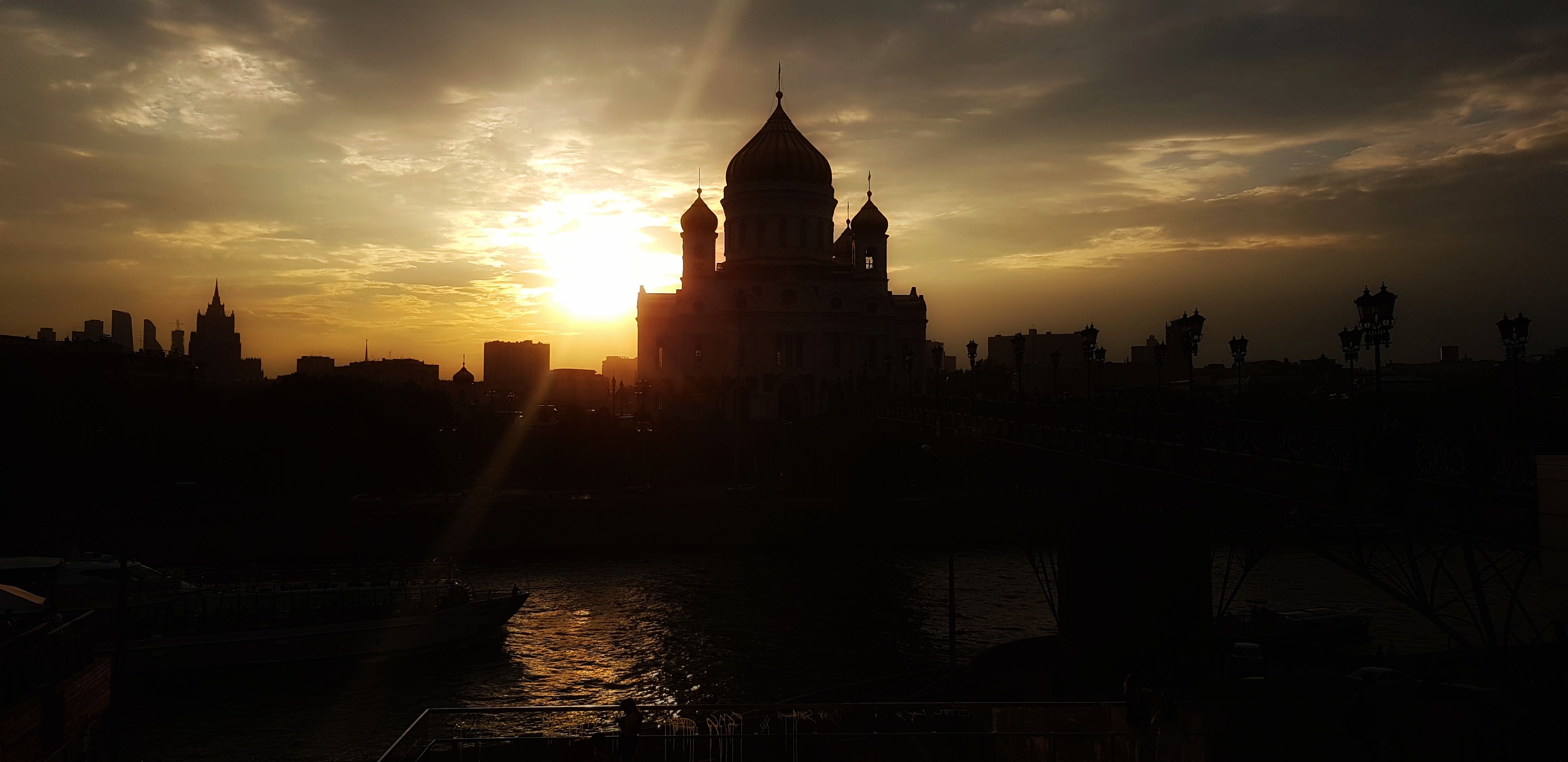
Tonight England play Argentina in a World Cup semifinal. I’m sitting at home watching the build-up and thinking about the last time England were in a semifinal — Moscow, 2018, and I was there.
Every four years the world’s collective energy goes up a notch. Conversations shift. Strangers argue about football. People who haven’t watched a match in years suddenly have opinions about formation and tactics. New fans are made, people who never cared about the sport find themselves watching a match late at night and not being able to look away.
I was one of those people, once.
My introduction to football came in 1998 when France hosted the World Cup. Growing up in India in the nineties meant life was cricket. We had Sachin, which meant cricket wasn’t just a sport, it was a religion. Then one evening my father came home with a football World Cup wall chart and pinned it to the wall. He told me to track the results. I took the job seriously, copying scores from the newspaper every morning. But the newspaper was always a day late, and because of the time difference with France, the evening match scores weren’t in until the next morning. I got impatient. So instead of waiting, I started watching.
What I wasn’t prepared for was the sport itself. Thirty-two nations, cultures and colours from every corner of the world packed into one tournament, fans who had travelled thousands of miles filling the stands, a relentless pace that kept you on the edge of your seat for the full ninety minutes. Cricket had taught me to love sport but nothing had prepared me for this scale.
The first match I can fully recall is the 1998 final. Brazil were the holders and the favourites. France dismantled them 3-0. Nobody saw it coming, and neither did I — a cricket loving kid who had just found his second sport, though I had no idea yet that it would become a lifelong affair.
Twenty years later, the cricket kid from Bhilai would find himself flying to Moscow to watch a FIFA World Cup semifinal.
In 2017 I was living in China. One quiet afternoon at work I came across an article saying that FIFA World Cup 2018 ticket applications had opened. I clicked through, looked at the process, looked at the prices, and decided to apply for a semifinal in Moscow on July 11th. It was a lottery draw. Knowing my luck I didn’t expect much. I applied and forgot about it.
A month later an email arrived. I had a ticket.
The excitement lasted about five minutes. Then the practical reality set in. India to Russia. A foreign country where I knew nothing about the language, the culture, the food, the transport, or what to expect at the border. But living in China had given me a certain confidence about navigating unfamiliar places alone. I booked the flights, sorted the accommodation, and started counting down.
Russia had waived visas for all ticket holders through the FIFA Fan ID system — a free visa for every fan, no paperwork beyond the ticket confirmation. One of the smoothest pieces of tournament planning I had seen. By the time I was at Delhi airport on July 9th, the draw for the semifinal had been finalised. I was going to watch England versus Croatia. Harry Kane, Luka Modrić, players I had watched on television for years finally in front of me on one pitch. The immigration officer at Delhi asked what match I was going for and when I told him he just smiled and stamped my passport.
I flew via Almaty, a short layover in Kazakhstan, and then on to Moscow.
As we descended into Sheremetyevo, I had the window seat. Endless dense forest below, then the airport appearing out of nowhere. I was grinning like an idiot. That lasted until immigration.
The officer checked my passport. Looked at me. Checked it again. Flipped through every page slowly. Picked up the phone, said a few words in Russian, then pointed at a room to the side.
“You. That room.”
I looked around. No one else had been called. I was the only one.
Inside looked like every interrogation room you’ve seen in an American film. Two tables side by side with space between them, chairs facing each other, one window. I sat down and waited. Ten minutes later another passenger came in. He looked South Asian. His phone rang and he answered in what sounded like Urdu. Probably Pakistani. We didn’t speak to each other. We just sat there, separately, in the same situation.
Through the window I watched a full flight of England supporters clear immigration without issue, singing, shouting, waving scarves. I sat and watched them go past.
I texted my family that I’d landed safely. I left out the part about being in a room wondering whether I’d be watching the match the next day or flying straight back home. No point worrying them. My Airbnb host had also messaged asking what the status was and when I was reaching. I told him I was held up at immigration and would update him. He just said take care and let me know when you are out. With each passing minute a small knot of panic was growing, quietly, though I kept my face still and my earphones in.
Nearly an hour passed before the door opened. A woman in a crisp uniform came in carrying my passport and the FIFA Fan ID and my flight tickets. She sat opposite me and went through everything methodically.
When are you flying back? Where are you staying? Is it paid? How much money do you have? Why have you been to China so many times?
I answered each question. Calm voice, direct answers.
She kept looking between my passport photo and my face. Only then did I understand what the issue was. My passport photograph showed me clean-shaven. My FIFA Fan ID showed me clean-shaven. Standing in front of her, I had a full beard. Enough of a difference, apparently, to earn me an extra hour of somebody’s time.
She asked one final question.
“Will you be visiting any other city?”
I had been thinking about St. Petersburg. I hadn’t booked anything. I said no.
She handed back my passport and documents. Looked at me one final time.
“Welcome to Russia.”
I picked up my bag and walked out.
By the time I got to the baggage carousel someone had already taken my bag off the belt and left it on the floor next to it. I grabbed it and headed out. I texted my Airbnb host that I was finally out. He sent me the location and said to call when I got a taxi.
I had taken the Aeroexpress from Sheremetyevo to Belorussky station, 35 minutes, free with the FIFA Fan ID — which was your pass for everything during the tournament, metro, buses, museums, parks, just show the badge and you were through. I booked an Uber from outside the station. It arrived within minutes. As soon as I got in, the driver turned around in his seat. Tall, bald, well-built, the kind of man who fills a car just by sitting in it. He looked at me and spoke slowly, in careful English.
“India?”
“Yes.”
His face lit up immediately. “Welcome!” Then he turned back and started driving, and after a few seconds reached over to the stereo.
“This song. For you.”
A familiar tune filled the car.
Jimmy, Jimmy, Jimmy, aaja aaja aaja…
A Mithun Chakraborty song, playing in a taxi in Moscow at 8:30 in the evening.
I started laughing and couldn’t stop. The beard that had apparently caused a small international incident, the hour of questions, all of it — undone by a Mithun Chakraborty song. Only football can put you in situations like this.
The immigration officer had said welcome to Russia, but the taxi driver was the one who meant it.